7 French Country Living Room Ideas That Feel Warm, Not Fussy
Search “French country living room” and you’ll find two very different results: rooms that feel like a farmhouse in the Provençal countryside — sun-bleached, a little imperfect, genuinely comfortable — and rooms that feel like a hotel lobby decorated in 2008, all matching toile and gold-trimmed everything. The style has a dated reputation it doesn’t fully deserve, and most of that reputation comes from one thing: over-formality. Too much matching, too much ornamentation, not enough contrast between old and new.
The fix isn’t abandoning the style — it’s being selective about which French country signatures you use and which you leave out. Every idea below is built around keeping the warmth and texture that make French country appealing while cutting the parts that read as stiff or theme-park. This is for the reader who likes the look in photos but doesn’t want a living room that feels like it belongs to someone else’s grandmother.
The Foundation: Pick Your Load-Bearing Elements, Skip the Rest
French country isn’t one fixed formula — it’s a collection of signatures, and a room that uses all of them at full volume is what tips into “fussy.” The signatures include: curved or turned wood furniture legs, natural linen or cotton upholstery, warm neutral or muted color palettes (think wheat, cream, soft blue-grey, faded terracotta), aged or distressed wood finishes, wrought iron detailing, and pattern — usually toile, small florals, or checks.
The rooms that feel current rather than dated pick two or three of these as the “load-bearing” elements of the room and treat the rest as optional accents, or skip them entirely. A room built around linen upholstery and turned wood legs, with no pattern at all, still reads clearly as French country. A room that adds pattern, wrought iron, distressing, and gold trim on top of that starts to look like it’s trying too hard.
[IMAGE: A living room with a linen slipcovered sofa, a turned-leg wood coffee table, plain plaster walls in warm white, and a single faded floral throw pillow as the only pattern in the room]
1. Linen Upholstery Over Pattern

If you only take one idea from this list, make it this one: a French country living room reads more current when the upholstery is a solid, textured linen or linen-blend rather than a toile or floral print. Linen has enough visual texture on its own — the slight slub and irregularity in the weave — to carry the “soft, lived-in” quality the style is known for, without the busyness of a printed pattern covering an entire sofa.
Save pattern for smaller, swappable pieces: a single throw pillow, a runner, a lampshade. This also solves a practical problem, since pattern on a large upholstered piece is expensive to replace if you tire of it, while a patterned pillow cover is a low-cost, low-commitment way to test whether you actually like it.

- These fabrics are made of quality linen, soft touch and resistant
- Package includes 7 daily colors:white, beige, sky blue, light green, pink, navy, black
- The size of the square fabric is about 19.6 inch x 19.6 inch / (50 cm x 50 cm). You can crop it to the size you need
$13.99
2. Turned-Leg or Cabriole Wood Furniture, Mixed with Something Plain
The curved, turned, or cabriole-style leg is one of the clearest visual signatures of French country furniture, and it’s worth keeping even in an otherwise pared-back room. But a room full of only turned-leg pieces — an ornate coffee table, an ornate console, an ornate side chair — starts to feel like a matched furniture set from a catalog rather than a room that was put together over time.
The fix: pair one or two pieces with strong turned-leg detailing against furniture with plain, straight lines — a simple slab-front console, a low modern bench, or straight-leg upholstered chairs. The contrast between ornate and plain is what makes a room feel curated rather than themed.
[IMAGE: A living room with an ornately turned wood coffee table paired with a plain straight-leg linen sofa and a modern black metal floor lamp, cream walls, wood floor]
Related: [INTERNAL LINK: related post on elegant living room design] covers similar principles for balancing ornate and simple furniture in a formal-leaning room.
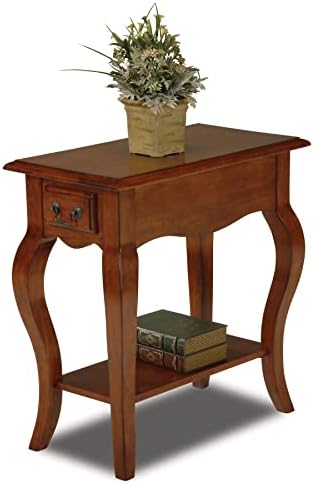
- Solid Poplar wood construction with dovetailed drawer for reliable performance
- French countryside flare with cabriole legs
- Hand applied multi-step brown cherry finish
3. A Muted, Warm Palette Instead of Cream-on-Cream
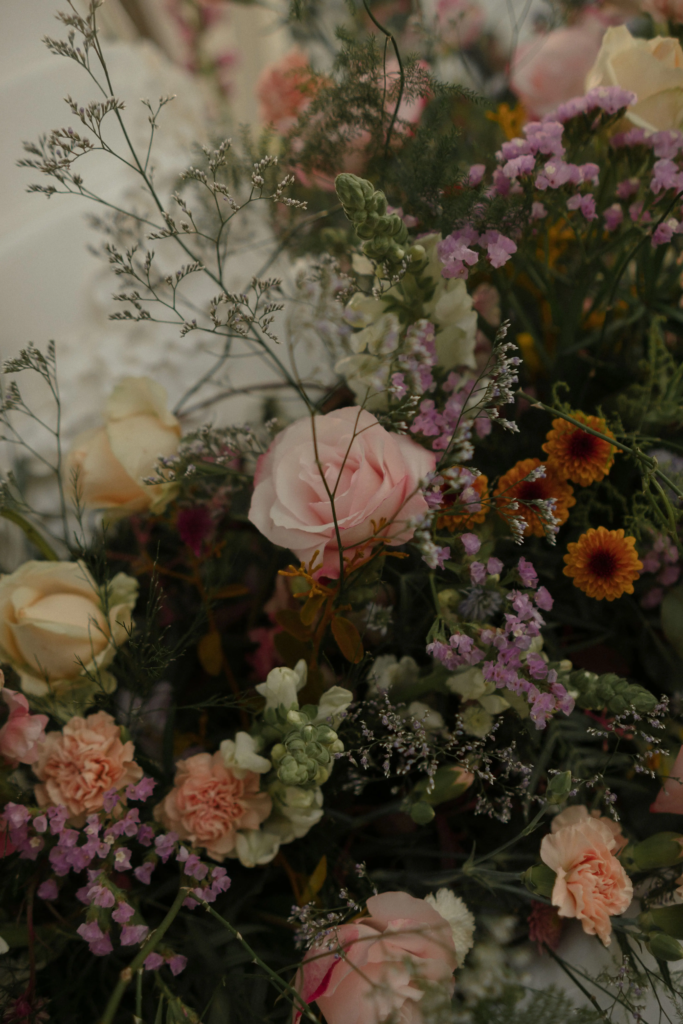
French country color palettes are often reduced to “cream and gold” in surface-level guides, but the more authentic and more livable version leans into muted, slightly faded tones: a soft wheat or oatmeal wall color, dusty blue-grey textiles, faded terracotta or rust as an accent, and sage or olive green in smaller doses. These colors read as sun-worn rather than sterile, which is closer to the actual farmhouses the style borrows from.
An all-cream room, while technically in the right family, can look flat and a little cold under artificial light, especially in a room without much natural daylight. Introducing one deeper, muted tone — a rust throw pillow, a sage-green lampshade — gives the palette somewhere to land.
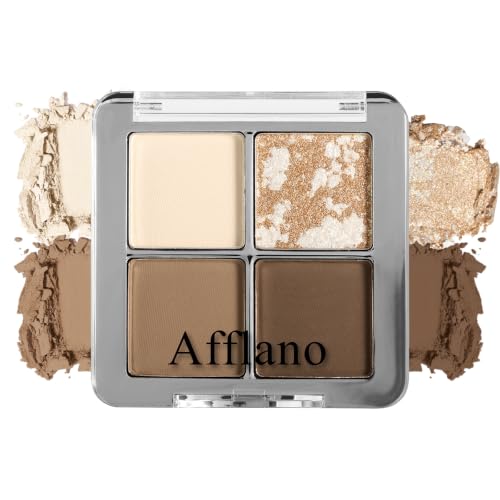
- Versatile Matte & Shimmer Brown Palette: This all-in-one brown eyeshadow palette features 3 velvety mattes (nude beige, …
- Smooth Blend, Natural Color Payoff: Our ultra-smooth powder glides on like cream, giving you easy color payoff that blen…
- Crease-Resistant for Mature Eyes: Formulated with micronized, premium ingredients, this eye shadow for older women resis…
4. Wrought Iron in Small Doses, Not as a Theme

Wrought iron light fixtures, curtain rods, and candle sconces are authentic to the style, but they’re also one of the fastest ways to tip a room into “restaurant decor” territory if overused. The rooms that use wrought iron well tend to limit it to one or two fixtures — a chandelier or a pair of sconces — rather than repeating it across lighting, curtain hardware, and furniture accents throughout the room.
If you already have wrought iron in more than one spot from a previous decorating phase, the easiest fix isn’t removing it — it’s making sure everything else in the room is deliberately plain, so the iron reads as an intentional accent metal rather than the room’s dominant material.

- Elegant Iron Wall Decor: Crafted from high-quality wrought iron, this rustic metal wall art adds a touch of timeless ele…
- Intricate Scroll Design: Featuring beautifully detailed metal scroll wall decor patterns, this piece showcases exception…
- Durable & Sturdy Construction: Built to last, this wrought iron wall decor is resistant to wear and tear, ensuring long-…
5. Aged Wood Finishes, Real or Approximated
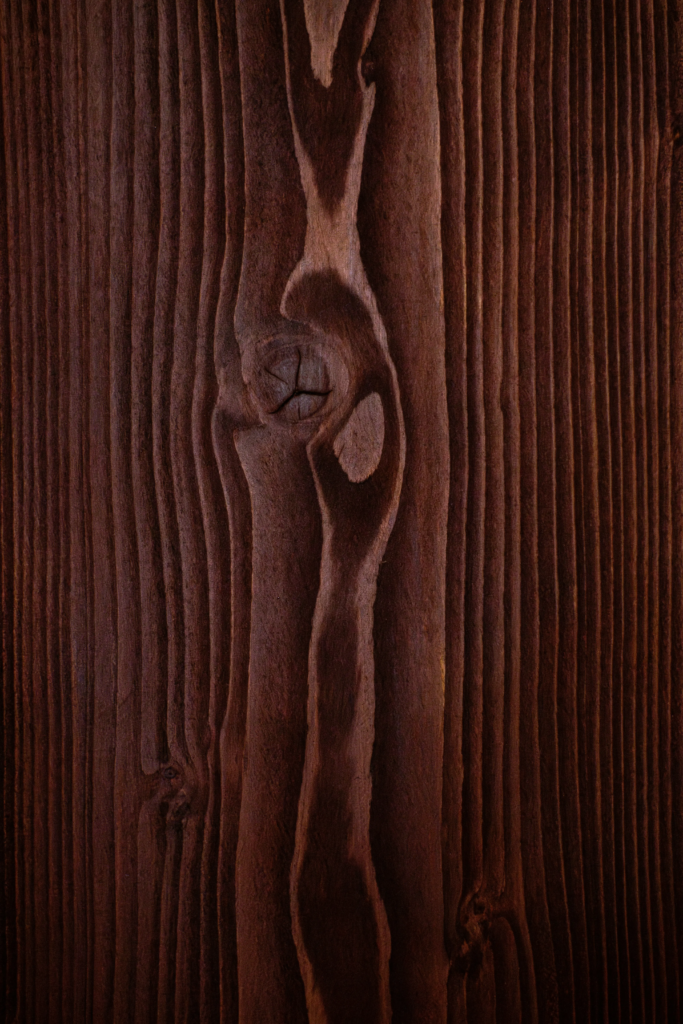
A genuinely aged or distressed wood finish — visible grain, worn edges, slightly uneven color — gives French country furniture its lived-in quality, and it’s one of the harder elements to fake convincingly. If you’re buying new furniture, look for pieces described as “hand-rubbed,” “weathered,” or “reclaimed” finishes rather than a uniform stain, since uniform staining tends to look more traditional-formal than French country.
If you’re working with furniture you already own, a wood piece can be aged with a light hand-sanding at the edges and corners (where furniture naturally wears first from years of use) followed by a matte wax finish, which mutes shine and lets the underlying wood tone show through unevenly.

- Accelerated the look of naturally aged wood
- Just brush on bare wood
- Unique results every time
6. Vintage or Vintage-Style Textiles as the Pattern Source
Rather than buying a full toile drapery set, sourcing one or two genuinely vintage textiles — an antique grain sack used as a lumbar pillow cover, a faded quilt draped over the back of a chair, a worn Persian or Oushak-style rug — gives a room authentic pattern and history without the matched, retail-showroom look that comes from buying a coordinated toile collection.
This is also one of the more budget-flexible ideas here: vintage textiles at estate sales, thrift stores, or secondhand marketplaces are often less expensive than new designer linens, and the wear is already built in rather than something you have to fake.
[IMAGE: A living room with a faded vintage quilt draped over a linen armchair, a worn Oushak-style rug underfoot, and a grain-sack lumbar pillow on the sofa]
For more on layering in worn, secondhand textiles without the room reading as cluttered, see [INTERNAL LINK: related post on boho dining room ideas that layer texture and warmth the right way].
7. Let the Room Have Some Asymmetry
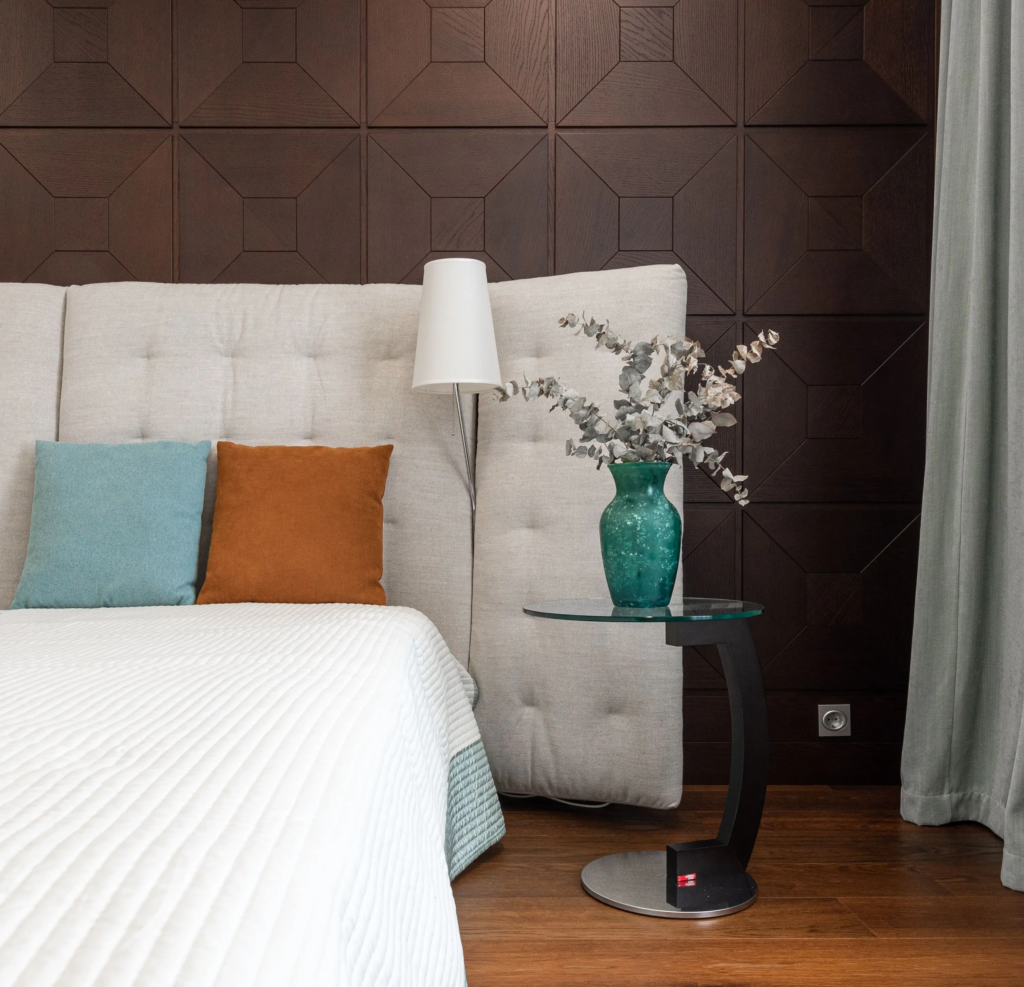
Formal French decorating traditions lean toward symmetry — matched sconces, mirrored side tables, centered mantel arrangements — and a little of that structure is useful for anchoring a room. But a living room that’s symmetrical in every detail (matched lamps, matched chairs, matched pillows on both ends of the sofa) starts to feel staged rather than lived-in.
Breaking symmetry deliberately in one or two spots — mismatched but complementary side tables, a single oversized lamp instead of a pair, artwork hung slightly off-center over a console rather than dead-center — keeps the room from reading like a hotel suite. This is a small adjustment, but it’s often the difference between a room that looks decorated and one that looks collected.

- WHAT IT IS – Odie’s Dark Oil (ODO) is a remarkable rich dark finishing oil, containing natural reactive and oxidizing oi…
- WHAT IT DOES – ODO is a modified and enhanced Tung Oil based finish. Our Tung Oil has been put through proprietary proce…
- WHAT YOU CAN USE IT ON – Recommended for interior use on any wooden items like doors, floors, tables, countertops, fine …
Common Mistakes to Avoid
Matching every wood tone in the room. French country furniture historically accumulated over generations, which means real versions of this style mix wood tones rather than matching them. A room where the coffee table, console, and dining chairs are all the exact same stain reads as a matched furniture set, not a collected one.
Overdoing toile. One toile element — a pillow, a lampshade, a small ottoman — reads as a nod to the pattern. Toile on curtains, upholstery, and wallpaper in the same room reads as a themed restaurant.
Skipping contrast entirely. A room with only ornate, curved, distressed pieces and no plain or modern counterpoint can feel heavy and dated. At least one straight-lined, unfussy piece (a plain sofa, a simple black floor lamp) keeps the room grounded in the present.
Choosing new furniture with a uniform, glossy finish. A high-shine, evenly stained wood finish reads as traditional-formal rather than French country specifically. Look for matte, hand-finished, or slightly uneven stains instead.
Budget-Friendly Ways to Get the Started
French country’s reliance on texture and history rather than expensive new pieces actually makes it one of the more secondhand-friendly styles to shop for:
- Under $50: A vintage grain sack pillow cover, a small wrought iron candle sconce from a secondhand shop, or a faded linen throw.
- $100–$300: A secondhand wood side table with real age and patina (often cheaper than a new “distressed-look” piece), or a vintage-style toile lampshade to introduce pattern in one contained spot.
- $300–$800: A linen slipcovered sofa or a reupholstery job on an existing frame using a solid linen fabric, which typically costs less than buying a comparable new sofa outright.
Pro Tip: When shopping secondhand for “French country” pieces, search for the country of origin or era instead of the style name — terms like “French farmhouse,” “Louis XV style,” or simply the decade (e.g., “1960s French”) often surface authentic vintage pieces that sellers haven’t marked up under the more search-heavy “French country” label.
[IMAGE: A secondhand wood side table with visible patina sitting next to a thrifted wrought iron candle sconce and a stack of vintage linens, styled on a plain wood floor]
Bringing It Together
The French country living rooms that hold up over time aren’t the ones with the most signature elements packed in — they’re the ones that pick a few (linen, turned wood, a muted palette) and let everything else stay quiet. If you’re starting from scratch, resist buying a matched set of anything; the mismatched, gathered-over-time quality is the actual heart of the style, and it’s also the cheapest part to get right, since secondhand and vintage pieces do most of that work for you.