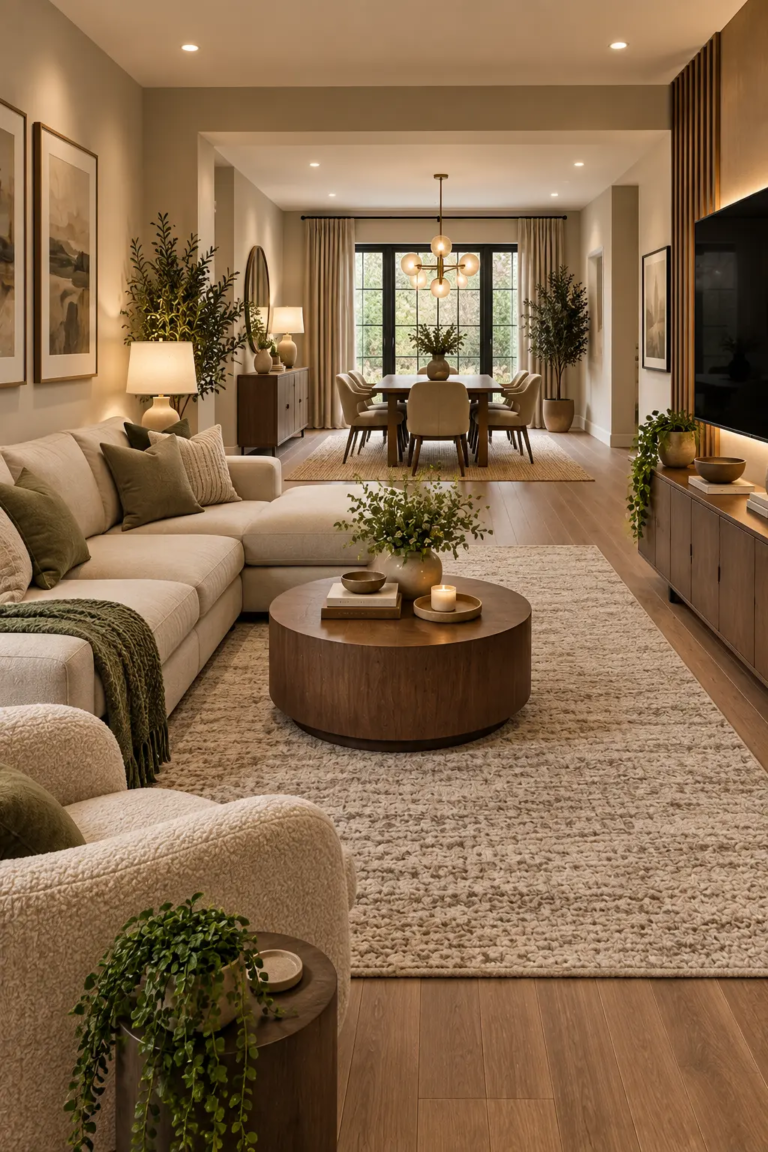
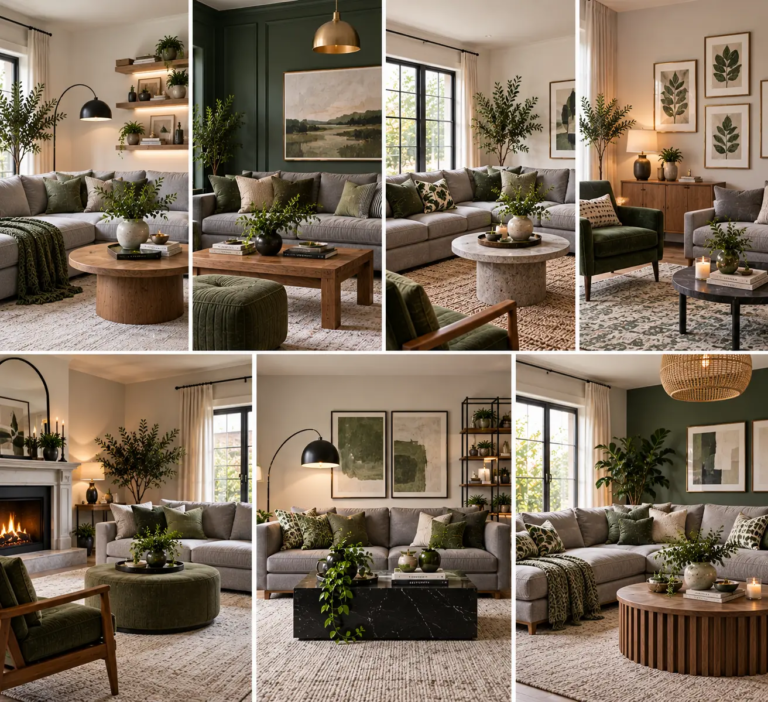
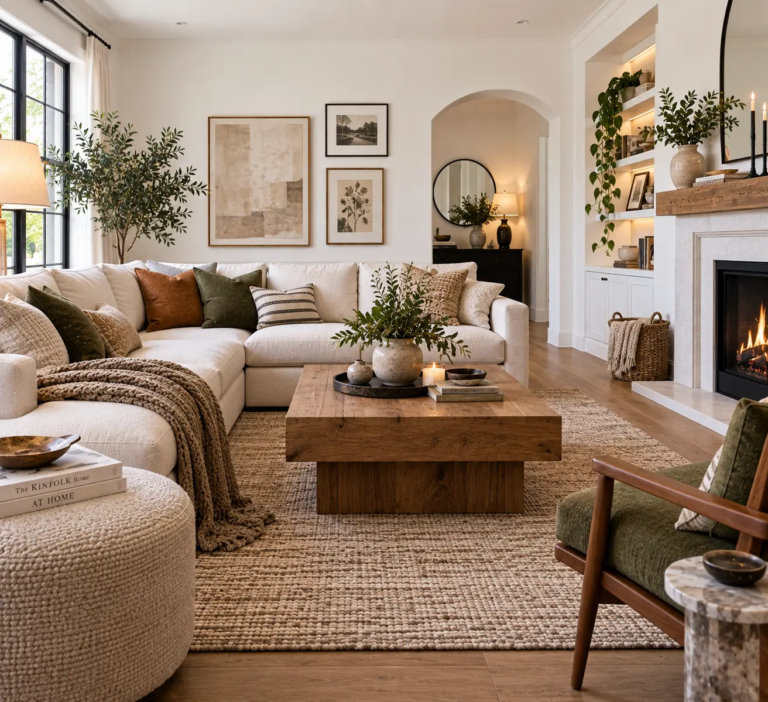
A green sofa can dominate a room before you’ve added anything else. That’s the advantage—and the problem. Choose the wrong wall color, rug, or accent pieces, and the sofa starts looking disconnected. Choose the right supporting pieces, and it becomes the easiest starting point for the entire room.
The key isn’t finding more green accessories. It’s giving the sofa enough visual breathing room while repeating its undertones through smaller, useful details.
This room-by-room approach focuses on one practical idea: let the green sofa set the direction, then build the rest of the home around materials, light, and controlled color rather than decoration for decoration’s sake.
Start With the Sofa, Not the Accessories
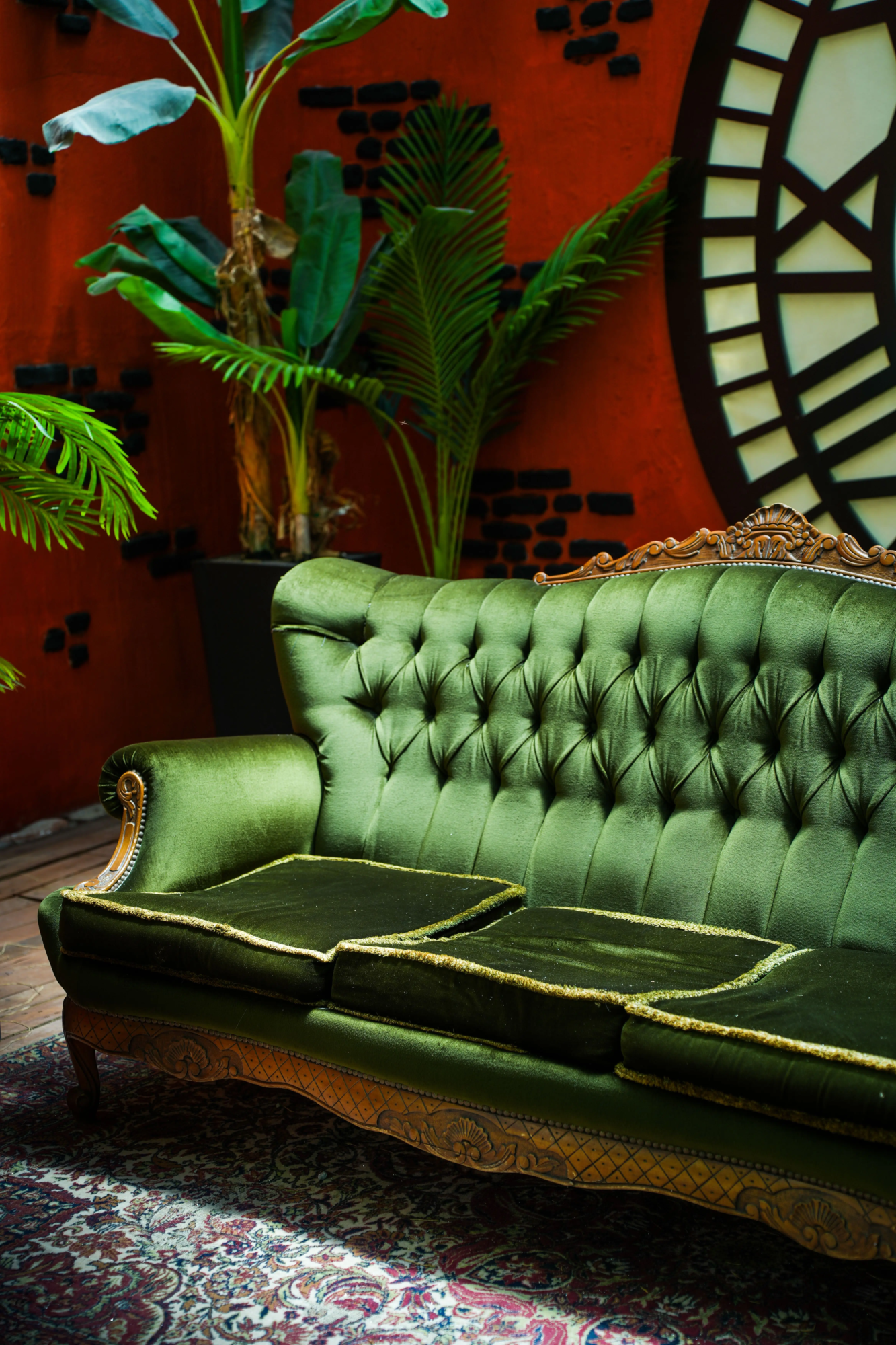
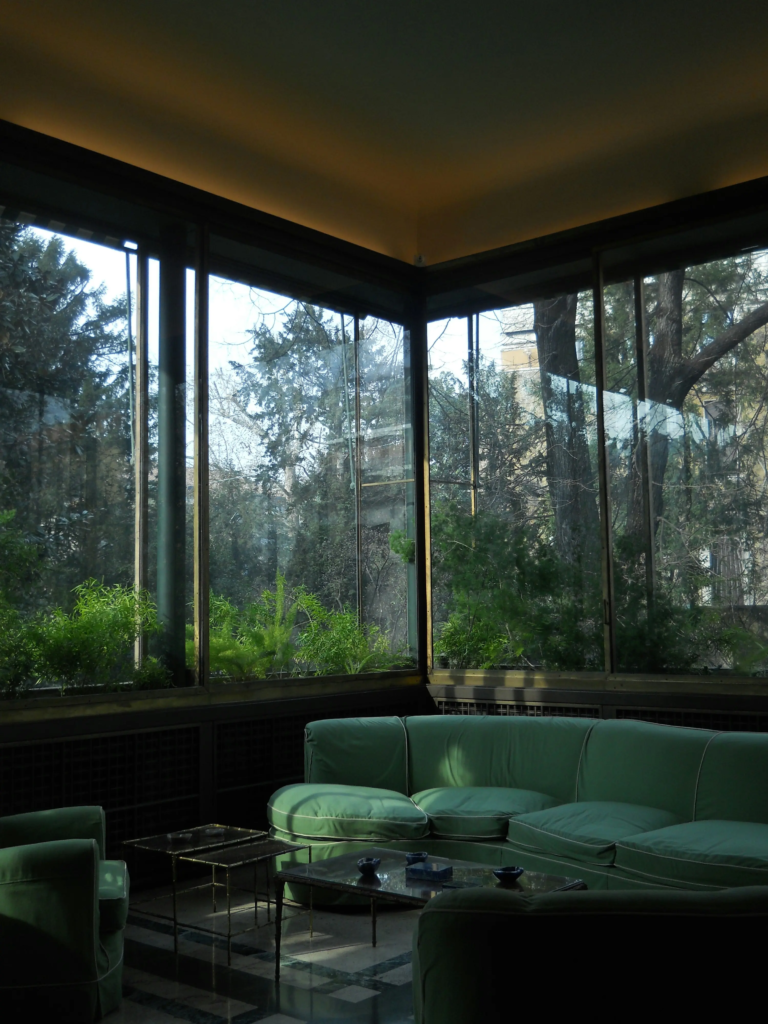
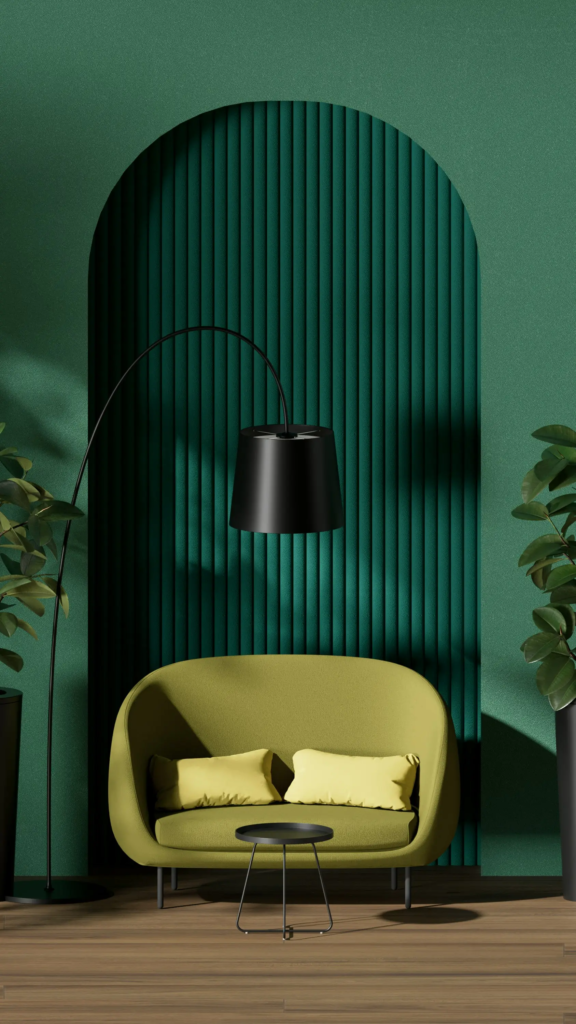
Before choosing cushions or artwork, identify what kind of green you’re working with. Olive and moss greens usually sit comfortably beside warm wood, cream, tan, and muted brass. Emerald and jewel greens can handle stronger contrast, while sage works particularly well with pale neutrals and natural textures.
The sofa’s fabric matters, too. Velvet reflects light differently from linen, cotton, chenille, or performance upholstery. A deep velvet green will already have plenty of visual weight, so pairing it with equally glossy furniture can make the room feel busy.
Think in terms of three layers:
Large surfaces: walls, flooring, curtains, and the rug.
Furniture: coffee table, chairs, side tables, and storage.
Small accents: cushions, throws, artwork, ceramics, and plants.
The largest surfaces should support the sofa rather than compete with it.
Pro Tip: Order or borrow fabric swatches and place them beside the sofa in both daylight and evening light. Green can shift dramatically depending on the surrounding colors and artificial lighting.
For a room with an open-plan layout, repeat one supporting material beyond the living area. A wood dining table, for example, can visually connect the sofa to the kitchen without adding more green.
Green Sofa Living Room: Build the Main Seating Area Around It
The living room is where the green sofa should do most of its visual work.
If the sofa is the largest piece, resist the urge to surround it with green chairs, green curtains, and green cushions. Instead, use contrast thoughtfully.
A cream or oatmeal rug can create a clean base under a dark green sofa. If the room already has warm flooring, a lighter rug also helps define the seating zone.
For a modern arrangement, pair the sofa with a simple wood or stone-look coffee table. Black metal can work well with deeper greens when you want sharper contrast, while lighter oak softens the overall composition.
If the room is small, leave enough clearance around the sofa to keep circulation comfortable. A compact coffee table with rounded edges can make the seating area easier to navigate than a large rectangular table with sharp corners.
For cushions, start with two or three colors rather than buying a complete matching set. Cream, rust, camel, muted blue, or warm gray can work depending on the green’s undertone.
A nearby neutral chair is often more useful than a second statement chair. It gives another place to sit without competing with the sofa.
An open-plan home can make a green sofa feel isolated if the dining room has an entirely different visual language.
You don’t need to repeat the sofa color at the dining table. Instead, carry across one material or secondary color.
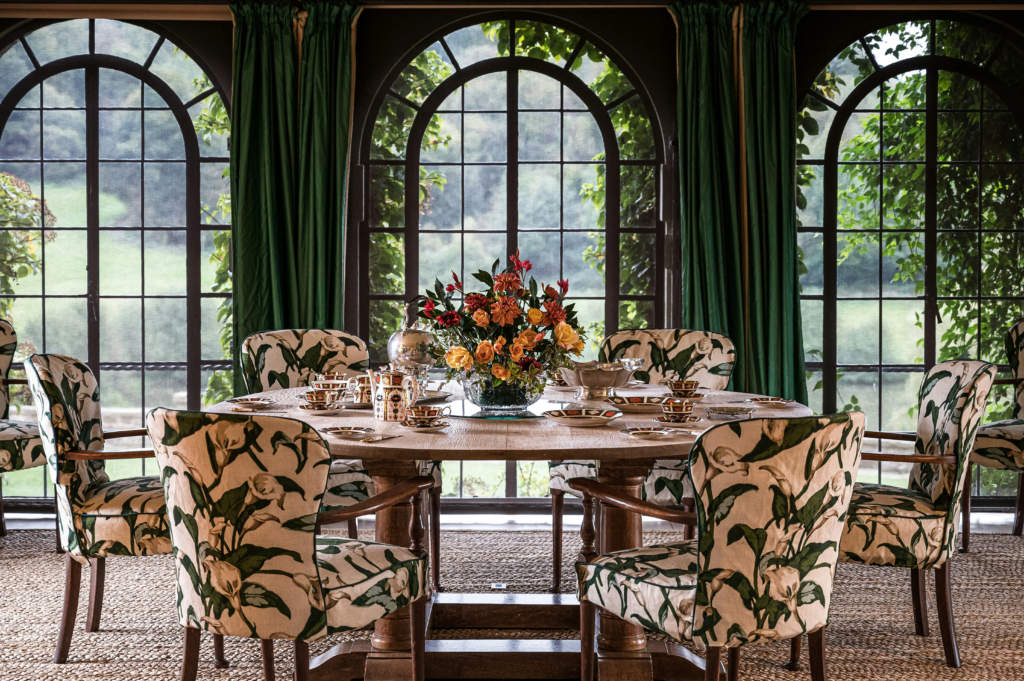
A medium-toned wooden dining table is a reliable bridge. Add upholstered dining chairs in cream, beige, brown, or muted gray. If you prefer a stronger look, black chairs can echo black details in the living room.
Keep the dining area’s accessories restrained. One large pendant, a simple centerpiece, and a few pieces of wall art are usually enough.
For inspiration on keeping dining spaces practical and uncluttered, see [INTERNAL LINK: minimalist dining room ideas].
If your dining room is particularly compact, avoid furniture that visually blocks the green sofa from the rest of the space. Slim chair profiles and a round table can improve movement around the room.
Pro Tip: In an open-plan layout, repeat a material instead of a color. Using the same wood tone on a living-room side table and dining table creates connection without making the rooms look coordinated by force.
A Bedroom Can Borrow the Palette Without Copying the Sofa
The green sofa doesn’t need to influence every bedroom literally. What matters is carrying its mood through a quieter version of the palette.
Suppose your living room has a deep olive sofa. The bedroom could use warm white bedding, natural wood furniture, and a small amount of olive in a cushion or throw.
With a sage sofa, you have more freedom to introduce pale greens, dusty blue, cream, or warm beige.
If you’re working with a boho-inspired home, natural materials can do much of the connecting work. Woven baskets, linen bedding, timber furniture, and textured rugs introduce visual continuity without filling the bedroom with matching green.
For a stronger bohemian direction, you can also explore [INTERNAL LINK: boho bedroom decorating ideas].
The bedroom should remain quieter than the living room. If the sofa is already a strong color statement, there is little benefit in creating another high-impact focal point beside it.
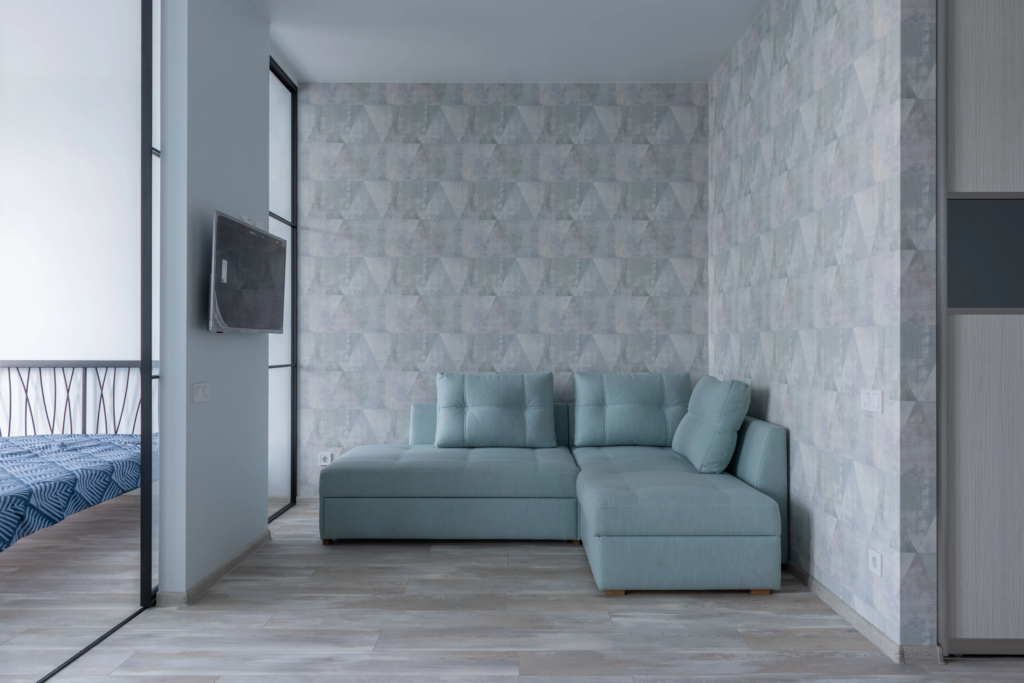
Photo by Max Vakhtbovych
The Kitchen Needs a Different Kind of Balance
When the green sofa sits close to the kitchen, cabinet color becomes important.
White, cream, natural wood, and muted gray cabinetry can all work with green upholstery. The best choice depends on the sofa’s undertone and the amount of natural light.
A dark green sofa beside very dark cabinets can create a heavy visual block, particularly in a smaller apartment. If you already have dark cabinetry, lighter flooring, walls, or dining furniture can provide relief.
In an open kitchen-dining-living arrangement, don’t treat every zone as a separate decorating project. Choose one dominant neutral and let it appear across all three spaces.
For example, cream walls, oak furniture, and warm stone details can create a consistent base while the green sofa remains the main color statement.
If your layout combines these areas, [INTERNAL LINK: open kitchen dining room ideas] can provide additional planning inspiration.
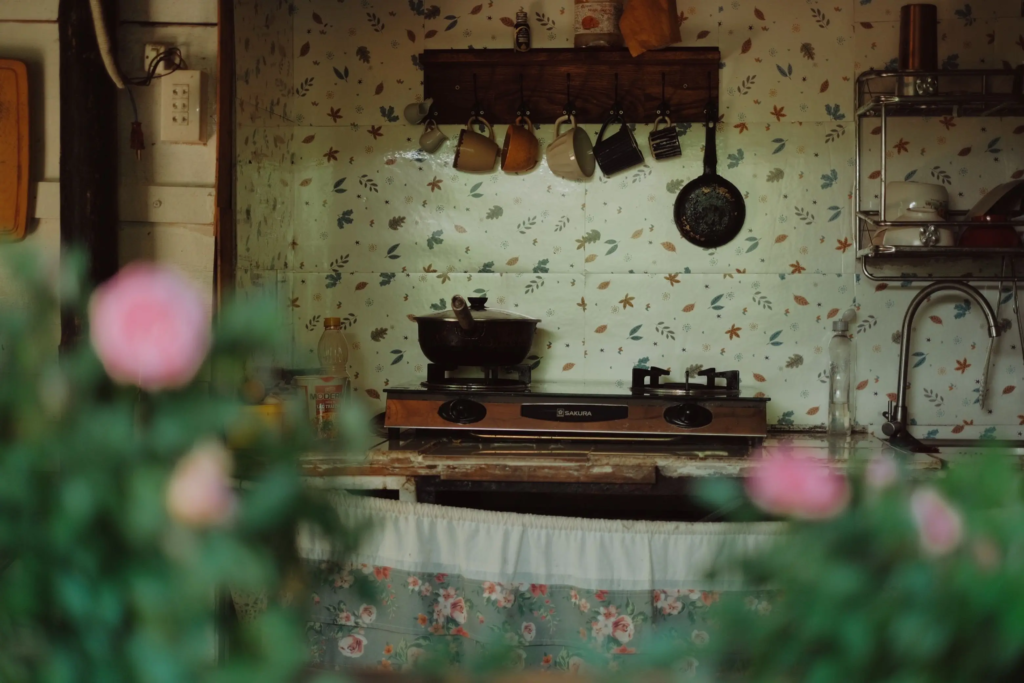
Photo by Pew Nguyen
The Bathroom Can Echo the Green Without Becoming a Theme
The bathroom is far enough from the sofa that you don’t need an obvious color match.
Instead, repeat one element from the living room’s palette. A warm green hand towel, muted olive accessory, natural wood stool, or botanical artwork can create a subtle relationship.
For a bathroom with white tile, green accents can add depth without requiring a renovation. If the bathroom already contains patterned tile, keep the additional color restrained.
A small bathroom especially benefits from visual consistency. Too many accent colors can make a compact space feel fragmented.
For another small-space approach, see [INTERNAL LINK: half bathroom decorating ideas].
Pro Tip: If you’re using green accessories in several rooms, don’t buy them from the same collection. Slight differences in shade and texture usually look more collected and less like a matching set.
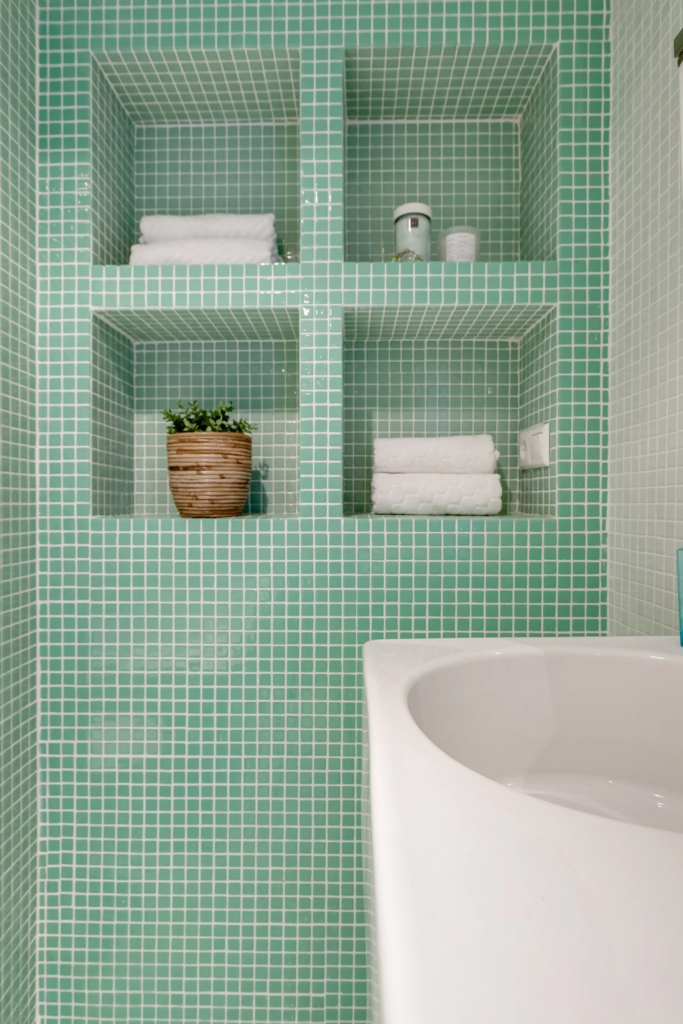
Photo by Stefan de Vries
What Usually Goes Wrong?
The most common mistake is treating the green sofa as a cue to add more green everywhere.
A green sofa already provides a significant color block. Repeating it in curtains, walls, chairs, cushions, and rugs can remove the contrast that makes the sofa interesting.
Another problem is choosing a rug based only on appearance. The rug needs to work with the sofa’s undertone, but it also needs to suit foot traffic, pets, furniture movement, and cleaning requirements.
Scale causes trouble, too. A small sofa can disappear beneath an oversized rug and massive coffee table. A large sectional needs a rug that is large enough to visually anchor the seating arrangement.
Then there’s lighting. A green that looks soft and earthy beside a window can appear much darker under warm evening bulbs.
Finally, don’t ignore the sofa’s silhouette. A traditional rolled-arm green sofa and a low-profile contemporary sofa shouldn’t automatically receive the same styling treatment.
Make the Look Work on a Real Budget
You don’t need to replace an entire room to make a green sofa work.
Start with the pieces that affect the largest visual areas: the rug, curtains, and wall color. If those are already suitable, keep them.
Next, replace only the accessories that fight the sofa. A few well-chosen cushions and one throw can often change the balance more effectively than a dozen small decorative objects.
Secondhand furniture can be particularly useful here. A solid wood side table or simple vintage chair can add texture without requiring a complete furniture set.
If the sofa itself hasn’t been purchased yet, spend more attention on upholstery quality, seat construction, cleaning requirements, and dimensions than on decorative extras. A beautiful color doesn’t compensate for a sofa that’s uncomfortable or difficult to maintain.
For living-room furniture inspiration beyond color, explore [INTERNAL LINK: living room sofa ideas].
FAQ
What colors go well with a green sofa?
Cream, beige, warm white, natural wood, camel, and muted gray are reliable starting points. Rust, terracotta, dusty blue, and black can create stronger contrast when used in smaller quantities. The right choice depends on whether your green is warm, cool, muted, or highly saturated.
Should my walls match my green sofa?
They don’t need to. A neutral wall often gives a green sofa more visual impact and makes the room easier to update later. If you want green walls, use a noticeably different value or intensity so the sofa doesn’t disappear into the background.
What color rug goes with a green sofa?
Cream, ivory, beige, natural jute tones, and muted patterned rugs can all work. For a dark green sofa, a lighter rug can help define the seating area, while a deeper patterned rug can create a moodier room if the rest of the furniture is restrained.
Can I use green cushions with a green sofa?
Yes, but avoid making every cushion the exact same shade. A cushion in a lighter or darker green with a different texture can add depth, while neutral cushions prevent the seating area from becoming one large block of color.
Does a green sofa work in a small living room?
Yes. In a small room, the key is controlling the number of competing elements. Choose a sofa size appropriate to the room, keep the surrounding furniture visually light, and use a rug and wall color that give the seating area enough contrast.
Is a green sofa difficult to maintain?
Maintenance depends more on the upholstery fabric than the color itself. Before buying, check the manufacturer’s cleaning instructions and consider how the fabric will handle everyday use, spills, pets, and sunlight.
Conclusion: Let the Sofa Lead
A green sofa doesn’t require an elaborate decorating scheme. It needs a clear supporting cast.
Start with the sofa’s exact shade, fabric, and scale. Then choose neutral large surfaces, introduce one or two supporting materials, and repeat small color references only where they make sense.
Across the home, consistency should come from materials, proportions, and undertones—not from matching every room.
That approach keeps a green sofa living room distinctive while making the rest of the home easier to live with and update.
Black Living Room Decor That Doesn’t Feel Like a Cave The photos that come up when you search black living room decor almost always show the same thing: a bright, south-facing room with floor-to-ceiling windows, where black furniture and black walls read as moody and intentional because there’s so much daylight bouncing around to balance…
A combined living dining room sounds like a simple layout problem until you’re standing in the middle of it, and the dining table is somehow part of the TV-watching sightline, and the sofa backs directly into someone’s dinner chair. The issue isn’t that the two functions share a room — it’s that most furniture arrangements…
Grey and green sounds like an easy pairing on paper — one neutral, one nature-adjacent accent — and then you actually put it together and the room ends up feeling like a dentist’s waiting room instead of the calm, layered space you had in mind. That’s not a coincidence. Grey and green are two of…
White walls get blamed for a lot of living rooms that feel flat, cold, or generic — but the actual problem is rarely the color itself. It’s usually one of two things: a white with the wrong undertone for the room’s light, or a room that’s relying on the wall color alone to do all…
7 Dining Room Carpet Ideas That Hold Up to Real Meals A dining room carpet gets a harder daily test than almost any other rug in the house. It sits under chairs that scrape in and out several times a meal, it catches crumbs and the occasional dropped glass of wine, and it needs to…
A white couch can completely transform a living room, making the space feel brighter, cleaner, and more inviting. Its neutral color works beautifully with almost every decorating style, from minimalist and Scandinavian to modern, farmhouse, and cozy contemporary. Whether you have a large family room or a small apartment, a white sofa can become a…