Luxury Curtains for the Living Room: What Actually Makes Them Look Expensive
You can spend serious money on curtains and still end up with flat rectangles hanging beside the window. You can also spend modestly and get drapery that looks like it came from a workroom. The gap between the two is rarely fabric price. It comes down to how much cloth is gathered, where the rod sits, where the hem lands, and whether there’s any weight behind the fabric. If you’re planning luxury curtains for your living room, get those four things right first and everything else gets easier.
The Order That Matters: Shape First, Fabric Second
High-end drapery gets four structural things right before fabric enters the picture: fullness, height, length, and lining weight. Fabric and hardware then either support that look or undercut it. A glossy velvet hung flat on a short rod will look thinner than a plain cotton-linen blend that’s generously gathered, mounted high, and hemmed to the floor. So shop in that order. Decide the geometry, then choose the cloth that suits how you live in the room.

Fullness: Why Two Times the Rod Width Is Your Starting Point
Flat panels look like fabric stretched across a window. Gathered panels look like architecture. For pleated headings, plan total fabric width at roughly two to two and a half times the length of your rod. Sheer fabrics want closer to three, since they look sparse when only lightly gathered. A 90-inch rod, for example, needs about 180 to 225 inches of flat fabric split across two panels. Many ready-made panels are only around 50 inches wide, so you may need two pairs per window to get there.
Pro Tip: Extend the rod 8 to 12 inches beyond each side of the window frame. The open panels then stack against the wall instead of covering glass, which makes the window look wider and keeps your daytime light.

How to Hang Luxury Curtains in a Living Room So the Ceiling Looks Higher
Mount the rod or track about two-thirds of the way between the top of the window frame and the ceiling. In a room with a low ceiling, go right up under the crown molding, or fix a ceiling track. The eye follows an unbroken vertical line all the way up, so the whole wall reads taller.
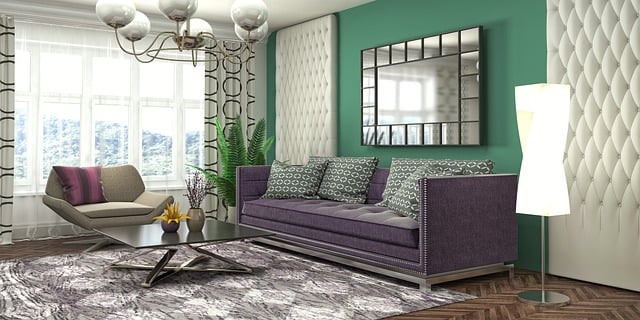
Choosing Where the Hem Lands
- Floor-grazing (about half an inch above the floor): clean, practical, and easy to vacuum around.
- Light break (fabric just touches the floor): softer and slightly more tailored.
- Puddle (3 to 4 extra inches pooled): formal and lovely in velvet, but a nuisance near pets, doors, or a robot vacuum.
Pick one style and repeat it at every window in the room. Measure from rod to floor at both ends and the middle before ordering, because floors in older homes often slope. Hemming to the shortest measurement keeps a floor-grazing hem from dragging.

Fabrics That Look Rich in Person
Velvet has a dense pile that catches light differently in every fold, which gives solid colors real depth. It blocks light and drafts, but the pile crushes where hands grab it, and dark dyes can fade in strong southern sun.
Linen and linen blends are relaxed luxury: softly rumpled, and beautiful when lined. Wrinkles are part of the look, but pure linen can relax or shrink with humidity, so confirm care instructions before hemming.
Silk and silk blends bring sheen, but direct sun weakens silk over time. Line them, keep them off unfiltered windows, and expect to dry-clean.
Wool and heavy cotton hold crisp pleats, forgive daily use, and often cost less than they look.
Pro Tip: Ask a workroom about interlining, a soft flannel-like layer sewn between the face fabric and the lining. It’s the reason expensive curtains fall in deep, rounded folds instead of flat ones.
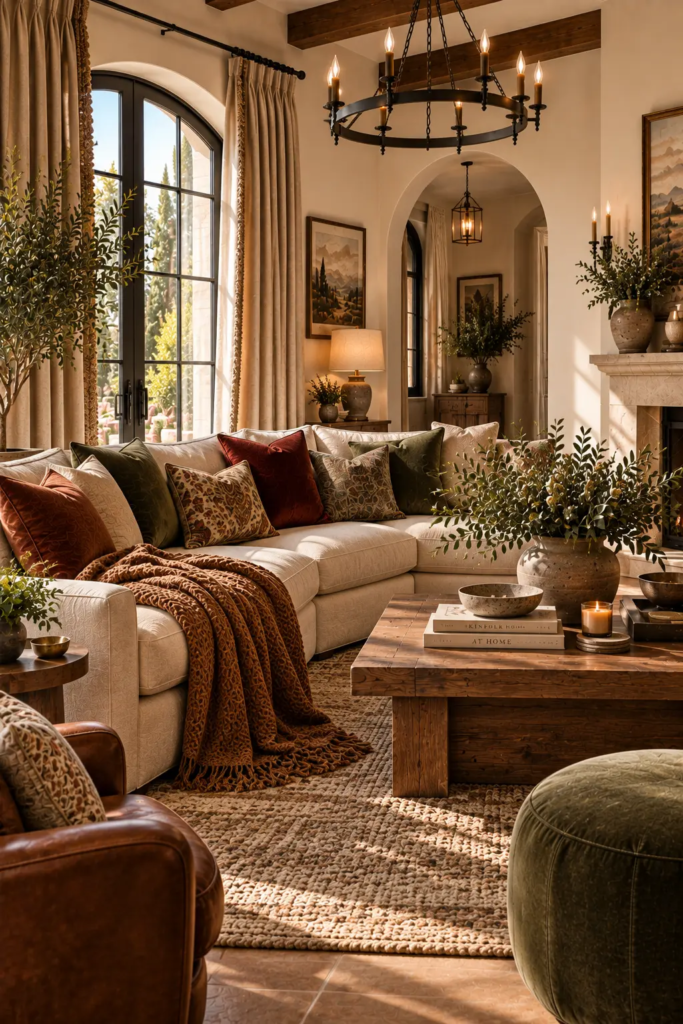
Pleat Style and Hardware: The Details That Signal “Custom”
Pinch and goblet pleats look tailored and keep their shape when the curtains are open. Wave fold reads modern and needs a track. Rings with clips look relaxed. Grommets look casual and slightly hotel-like, so save them for a low-key room.
Rod diameter matters more than most people expect. A thin rod bows under heavy fabric, so look for 1¼ inches or wider when hanging lined velvet or wool, and add a center bracket on spans longer than roughly five feet. Anchor brackets into studs or rated wall anchors, since a pair of lined panels weighs more than it looks. Match the metal finish to something else in the room, like a lamp base or cabinet pulls, so the hardware looks chosen rather than incidental.

Layering Sheers, Drapery, and Light
A living room gets used at noon and at 9 p.m., and one layer rarely handles both. Sheer panels on a rear rod soften glare during the day, while lined drapery on the front rod closes for the evening. If your TV faces the window, add blackout lining behind the face fabric.
Exposure matters too. South-facing windows fade fabric fastest, and north-facing rooms have cooler light that can make gray drapery feel chilly, so lean toward warm neutrals there. At night, lamps with warm 2700K bulbs placed near the curtains bring out the depth in velvet.

Color and Pattern: Disappearing Into the Wall or Framing the Window
Curtains one or two shades deeper than the wall let the window melt into a calm, tall backdrop, which suits small rooms. Contrast does the opposite. Deep olive, oxblood, or navy against pale walls frames the window as a feature, and it needs light furniture nearby to keep the corner from feeling heavy. For patterns, go large-scale only if you have the fullness to show the repeat, and ask for the pattern to be matched across seams so the design flows uninterrupted through the folds.

Mistakes That Make Expensive Curtains Look Cheap
- Sizing panels to the window instead of the rod. The curtains end up thin and flat, and they never close properly.
- Skipping lining. Unlined fabric hangs limp, lets sun through, and fades faster.
- Hemming before the fabric settles. Velvet and linen relax once hung, so a hem cut on day one can end up uneven.
- Hovering hems. A hem an inch or two off the floor looks like a sizing error. It should either graze or clearly break.
Pro Tip: After hanging, steam the curtains while they’re up, then loosely tie each panel with soft fabric strips for a few days. The pleats set into deeper, more even folds.
Budget-Friendly Ways to Get the Luxury Look
Spend where the eye lands: lining, rod and rings, and a proper hem. Save on the fabric itself for windows that get little use or dim light. Ready-made panels become convincing when you buy two pairs per window for fullness and have a tailor add pleats.
Pro Tip: Buy ready-made panels one length longer than you need and pay a tailor to hem them to your floor. Hems can come up but never down, and a hem cut to your exact ceiling height is the detail that most reads as bespoke.
FAQ
What’s the best fabric for luxury living room curtains?
Lined velvet gives the most depth and light control. A lined linen blend gives a more relaxed look with lovely drape. Choose silk only for windows without direct sun.
Should living room curtains touch the floor?
They should either graze about half an inch above it or just touch it. A hem hovering an inch or two up looks like a mistake, and pooling suits only formal, low-traffic rooms.
Can I hang luxury curtains over blinds?
Yes, and it’s often the best setup. Roman or roller shades handle light control while the curtains stay open as the decorative layer, so you can size them for fullness rather than function.
How do I clean velvet or silk curtains?
Vacuum with a brush attachment on low suction, and check the care label first, since most lined velvet and silk is dry-clean only. Avoid spot-cleaning silk with water, which can leave rings.
What curtain color makes a small living room feel bigger?
Choose a shade close to the wall color and hang it high on a rod that extends past the frame. This blurs the window edges and pulls the eye upward. Skip strong horizontal stripes.
Before you order luxury curtains for your living room, take three measurements: the width of the rod you’ll hang, the drop from that rod to the floor, and the wall space beside the window where open panels can rest. Those numbers decide your fullness, your length, and how much fabric you need. They’re also what separate drapery that looks custom from panels that only fit.